
Diabetes and Your Eyes: Preparing for a Dilated Eye Exam in Willis
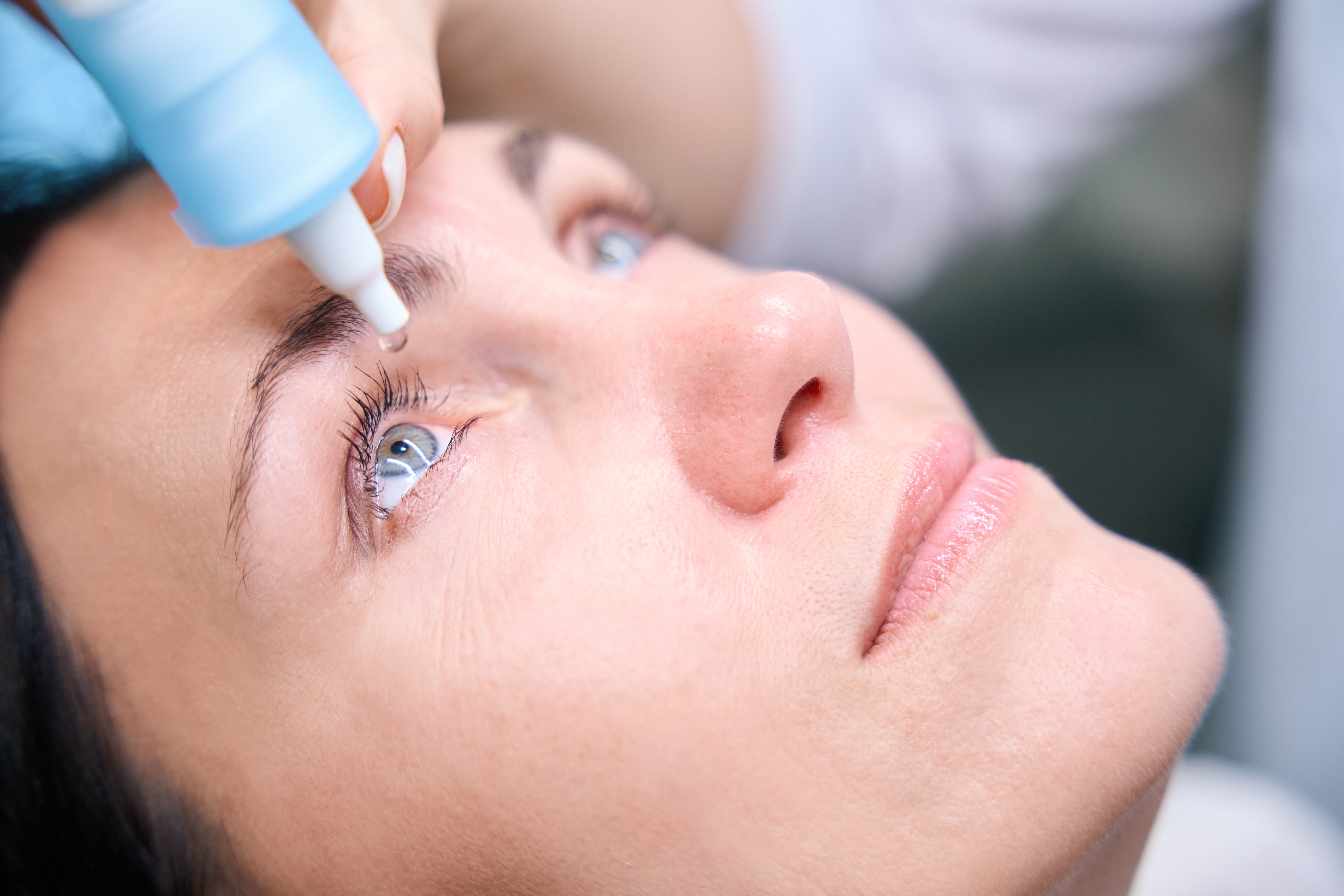
Diabetes can affect more than your blood sugar. Over time, it can damage the small blood vessels in your eyes, sometimes before you notice changes in your vision. At Willis Family Eyecare, we offer diabetic-related eye exams to help patients in Willis, TX, monitor their eye health and identify potential concerns. Knowing what to expect from a dilated eye exam can help you prepare for your appointment.
Why Dilated Eye Exams Matter for Patients With Diabetes
A dilated eye exam allows us to examine the retina and other structures at the back of your eyes. We look for signs of diabetic retinopathy, including damaged or leaking blood vessels, and swelling that could affect your central vision.
Because diabetic eye disease can develop without noticeable symptoms, regular exams are important even when your vision seems normal.
Many patients with diabetes need annual dilated eye exams, although the recommended schedule depends on their medical history, previous findings, and individual risk factors. Some patients may need more frequent monitoring.
What to Bring to Your Dilated Eye Exam
Preparing a few things before your appointment helps us better understand your health and any changes you've experienced.
We recommend bringing:
- Your current medications: Include diabetes medications, blood pressure medications, and other prescriptions.
- Recent blood sugar information: Bring your latest A1C results, if available, and mention any significant changes in glucose levels.
- A list of vision changes: Note any blurry vision, new floaters, or difficulty focusing, including when symptoms started.
- Your current eyewear: Bring your glasses or contact lenses so we can review your vision needs.
- Your questions: Write down anything you want to discuss about diabetes, retinal health, or your eye exam results.
Sharing this information helps us provide a more complete assessment of your eye health.
What Happens During a Dilated Eye Exam?
During your appointment, we'll review your medical history, assess your vision, and examine your eyes for potential concerns.
We use dilating eye drops to temporarily widen your pupils, allowing us to see the retina more clearly. Depending on your needs, we may also use retinal imaging to document changes and evaluate areas that require closer attention.
The drops may cause temporary blurry near vision and increased light sensitivity for several hours. We recommend bringing sunglasses and arranging transportation if you are unsure whether you'll feel comfortable driving afterward.
What Happens After Your Diabetic Eye Exam?
Once your examination is complete, we'll discuss our findings and explain whether additional testing, monitoring, or a specialist referral is recommended.
If your eyes appear healthy, we'll help you understand when to schedule your next examination. If we identify signs of diabetic eye disease, we'll explain the appropriate next steps based on your individual needs.
Between visits, continue following your diabetes care plan and report any new vision changes promptly. Sudden vision loss, flashes of light, a sudden increase in floaters, or a dark curtain across your vision requires urgent evaluation rather than waiting for your next routine appointment.
If you have diabetes, take the next step in protecting your vision by scheduling a diabetic eye exam with Willis Family Eyecare in Willis, TX. Call (936) 856-9400 to book your appointment today.
Quick Links
Helpful Articles

All Eye Care Services
Find personalized eye care excellence with our comprehensive services. From eye exams to advanced diagnostics, trust us for all your vision needs.

Keep In Touch
For non-urgent questions or to learn more about our services, contact us today!
© 2026 Willis Family Eyecare. All rights Reserved - Accessibility Statement - Privacy Policy - Sitemap
Managed and Designed by 